
How Often Does a Website Need to Be Updated? For many businesses and founders, the question “how often should I update my site?” comes up regularly. The short answer: it depends on your goals, audience, and the type of content you publish. In general, regular updating websites are more trustworthy, perform better in search rankings, and deliver a fresher experience to visitors. This post explores factors that influence update frequency and practical strategies to keep a website lively and effective. Why updating websites matters Regular updates serve several key purposes: Search engine optimization (SEO): Search engines favor fresh content and updated information. User trust and engagement: Visitors expect current details, accurate product information, and timely announcements. Security and reliability: Updating plugins, themes, and core software reduces vulnerability. Brand relevance: Periodic updates reflect a living, active brand. Understanding these benefits helps tailor an update schedule to your needs. Factors that influence update frequency Content type and goals News sites and blogs often publish daily or multiple times per week. E-commerce sites benefit from frequent product and price updates, promotions, and seasonal landing pages. Corporate sites may update case studies, press releases, and services pages as new information becomes available. Portfolios and personal sites can balance quality over quantity, with updates tied to new work or testimonials. Audience expectations If your audience relies on you for timely information, more frequent updates are prudent. If you serve a niche with long-form evergreen content, less frequent changes may be appropriate. Technical considerations and maintenance Regular maintenance, security patches, plugin updates, backups, should be scheduled regardless of content updates. Neglecting these can harm performance and safety, no matter how often you post. SEO strategy Plan updates around keyword opportunities, seasonal trends, and content gaps. Fresh content plus on-page optimization can boost visibility over time. Practical update cadences There’s no one-size-fits-all answer, but here are common patterns you can adapt: Daily or near-daily updates: News portals, large media sites, or heavily social-driven platforms. Several times per week: Active blogs, content publications, or project-based sites with frequent iterations. Weekly updates: Routine blog posts, portfolio additions, or company news that doesn’t require real-time accuracy. Biweekly to monthly: Mostly static sites with occasional announcements or new resources. Quarterly or semi-annual: Static sites that focus on evergreen services, with updates tied to product launches or major milestones. Remember: consistency matters more than hitting a specific number. Decide on a realistic cadence you can sustain. Balancing quality with frequency Updating too often without substance can dilute value. It’s better to publish fewer high-quality pieces than frequent low-quality updates. Here are tips to maintain quality: Plan editorial calendars to map out topics, formats, and publishing dates. Batch-create content to ensure consistency and reduce last-minute rush. Use content formats that scale, such as short posts, resource pages, or updates to existing pages with new data. Regularly audit existing content for accuracy and relevance. Technical hygiene and proactive updates Security: Apply updates to CMS, plugins, themes, and server software promptly. Backups: Schedule regular backups before major updates. Performance: Monitor page speed after changes; optimize media and scripts. Accessibility: Revisit accessibility standards as you update content. Handling updates for different sections Home page: Keep it fresh with limited, high-impact changes, new promotions, featured works, or updated testimonials. Products and services: Update pricing, features, stock, and shipping information as needed. Blog and resources: Keep a publishing rhythm aligned with your audience; refresh older posts with updated data if needed. About and team pages: Reflect new hires, leadership changes, or shifts in services over time. Measuring the impact of updates Track engagement metrics: page views, bounce rate, average time on page, and conversions. Use SEO tools to monitor keyword rankings and organic traffic shifts after updates. A/B testing can help you compare different update approaches and find what resonates with your audience. Common pitfalls to avoid Inconsistent cadence: Irregular updates can confuse visitors and search engines. Outdated information: Don’t let old data linger; set review dates for pages with time-sensitive content. Over-optimisation: Constant keyword stuffing or excessive updates can harm readability and SEO. Final thoughts Updating websites is not just about keeping content fresh; it’s about maintaining accuracy, security, and alignment with your audience’s needs. Establish a sustainable cadence for content updates, perform regular site maintenance, and monitor impact to refine your approach over time. By treating updating websites as an ongoing practice rather than a one-off task, you’ll improve trust, visibility, and user satisfaction.

Learn how to optimize your website for AI search engines like ChatGPT and Perplexity with Primora’s guide to AI Visibility for Singapore SMEs.

What is Generative Engine Optimization?

How Much Does SEO Cost in Singapore?

If you are a service-based business then its for you!

Google Business Optimization
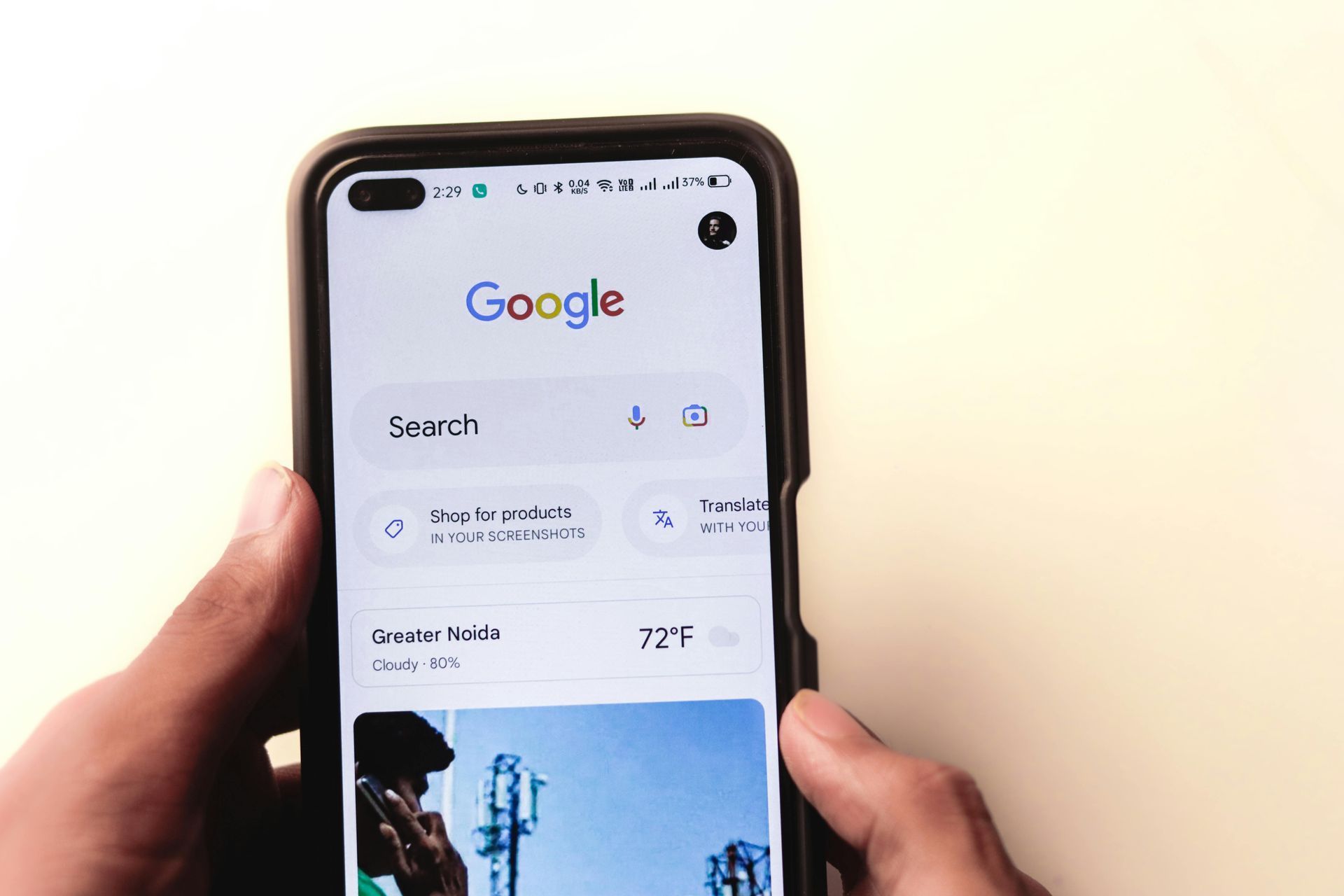
What is Google Business Profile and How Does It Work?

What is the difference between PWA and native apps? In the crowded world of mobile software, two major approaches stand out: progressive web apps (PWA) and native apps. Understanding the differences between PWA and native apps helps product teams, developers, and even business stakeholders decide where to invest time and resources. This post breaks down what each option offers, where they excel, and how to choose the right path for a given project, while weaving in the supplied keyword: pwa and native app.

Website Traffic

Cost to Develop an App in Singapore?