


Is SEO Dead? Use AEO and AI Visibility in 2026

17 August 2026

SEO is not dead,it is evolving. While Answer Engine Optimization (AEO) and AI Visibility are crucial for modern discoverability, they rely on the same high-quality content and technical foundations as traditional SEO. Integrating both strategies is the only way to ensure total digital dominance in 2026.

Is SEO dead in the age of AI?

The short answer is a resounding no. However, the search landscape has shifted dramatically. For years, Search Engine Optimisation focused on ranking in a list of blue links. Today, users often get their answers directly from AI Overviews, ChatGPT, or Perplexity without ever clicking a website. This shift has led many to believe that traditional SEO is a waste of time. In reality, the systems powering these AI answers—often referred to as Generative Engine Optimisation (GEO) still crawl the web to find authoritative sources. If your website isn't optimised for search engines, the AI won't find you either.

For SMEs in Singapore, the goal has moved from simply 'ranking' to 'being the source of truth' for AI models. This is where AI Visibility comes into play. It is no longer enough to have keywords; you need structured data, high authority, and content that answers specific user intents. SEO provides the framework, while AEO provides the conversational nuance required by modern AI tools.

AI and Digital Growth

Defining AEO, GEO, and AI Visibility

To understand why you shouldn't abandon SEO, you must first understand the new terminology defining the 2026 digital landscape:

  • AEO (Answer Engine Optimisation): Focusing on providing direct, concise answers to specific user questions to win 'Position Zero' or AI voice responses.
  • GEO (Generative Engine Optimisation): Techniques designed to increase a brand's visibility within generative AI responses like Google AI Overviews.
  • AI Visibility: A holistic approach, like our Get Found by AI service, that ensures your brand is recognised and cited by Large Language Models (LLMs).
  • Traditional SEO: The foundation of technical health, mobile responsiveness, and keyword relevance that allows all the above to function.

By focusing on AI Visibility, you aren't ignoring SEO; you are upgrading it. Traditional SEO creates the map, while AEO provides the destination for the user’s query.

Why search engines still rely on SEO basics

You might wonder why you should bother with technical SEO if AI is doing the talking. The truth is that AI models are trained on indexed data. If your Website Design is poor or your site structure is messy, search engine bots cannot crawl your pages effectively. This results in a lack of data for AI to consume.

Key reasons why traditional SEO remains vital include:

  1. Indexation: AI engines cannot cite what they cannot find.
  2. Trust Signals: Backlinks and domain authority still signal to AI that your content is reliable.
  3. User Experience: Google’s algorithms, and by extension AI models, prioritise fast-loading, mobile-friendly sites.
  4. Local Context: For SMEs, Local SEO ensures you appear in 'near me' queries which AI still sources from map data.
  5. Conversion: AEO might provide the answer, but your website is where the transaction happens.

How does AEO differ from SEO strategy?

While SEO is about broad themes and keywords, AEO is about precision. If you are a medical clinic or a bus charter company, your Search Engine Optimisation strategy might target 'bus charter Singapore'. Your AEO strategy, however, would target 'What is the most reliable bus charter for large school groups in North Singapore?'.

To win at AEO, your content must be structured to be easily digested by machines. This involves:

  • Using clear, concise language (The Inverted Pyramid style).
  • Implementing extensive Schema Markup (JSON-LD).
  • Creating dedicated FAQ sections that address 'People Also Ask' queries.
  • Ensuring your brand name is consistently mentioned across high-authority platforms.
SME Digital Strategy

Will focusing only on AEO hurt my rankings?

Focusing exclusively on AEO while ignoring the broader pillars of SEO is a risky strategy. AEO is often 'zero-click', meaning the user gets the answer without visiting your site. While this builds brand awareness, it doesn't always drive immediate traffic or leads. A balanced approach ensures that while you are the 'answer' in an AI box, you also rank for the 'informational' and 'transactional' queries that bring users to your landing pages.

Strategic digital growth for SMEs requires a multi-layered approach. You need the Full SEO package to maintain technical health, while layering AI Visibility services on top to capture the modern searcher. If you only focus on AEO, you might lose out on the 50% of users who still prefer to browse through search results manually to compare options.

The strategic roadmap for AI-driven growth

Transitioning from traditional SEO to an AI-first digital strategy doesn't happen overnight. It requires a fundamental shift in how you produce and distribute content. For SMEs, this often means moving away from generic blog posts and moving toward authoritative, data-driven insights. Primora specialises in this transformation by acting as your outsourced digital department, combining Website Hosting with cutting-edge visibility tactics.

Steps to ensure your business is AI-ready:

  • Audit your current content: Use our AI Audit to see how LLMs currently perceive your brand.
  • Optimise for Voice: Ensure your content sounds natural when spoken aloud, as many AI queries are voice-driven.
  • Leverage Mobile Tech: Use App Build services to create PWAs that provide a seamless mobile experience, which AI engines favour.
  • Structured Data: Implement schema for every service, product, and review on your site.
  • Continuous Monitoring: AI models update their 'knowledge' frequently; your content must be updated just as often.

How can SMEs combine SEO and AEO effectively?

The secret lies in synergy. Don't view them as competing interests. SEO is the 'how' and AEO is the 'what'. For example, if you are in the construction or renewable energy sector, your technical SEO ensures that your site is fast and secure. Your AEO content then explains why your specific solar panel installation method is superior to others, answering a direct user query that an AI might fetch.

By integrating Growth SEO with weekly AI-optimised blog creation, you create a feedback loop. The more high-quality answers you provide, the more authority you build. The more authority you have, the more likely search engines are to trust your site, and the more likely AI models are to recommend you as the definitive choice.

Is it a waste of time to do SEO today?

Calling SEO a waste of time is like calling a foundation a waste of time because you only want to see the roof. Without SEO, your AEO efforts will lack the structural integrity needed to survive algorithm updates. Search engines like Google are not replacing search with AI; they are augmenting it. People still need to click through to see your Website Examples , read your testimonials, and fill out your Contact form.

SEO remains the most cost-effective way to build long-term digital equity. Unlike paid ads, which stop the moment you stop paying, the SEO and AI Visibility work you do today will continue to generate leads for years to come. It is an investment in your brand's future presence in a world where machines are the primary gatekeepers of information.

Summary: The Future of Digital Discoverability

In 2026, the question is no longer 'Should I do SEO or AEO?', but 'How do I integrate both to dominate my industry?'. While AEO and AI Visibility allow you to capture the immediate attention of users through direct answers and AI-generated summaries, traditional SEO remains the engine that drives your site's authority, indexability, and conversion potential. For SMEs looking to stay competitive, a hybrid approach is the only way forward.

Key Takeaways for SMEs:

  • SEO is the Foundation: You cannot have AI Visibility without a technically sound, well-structured website.
  • AEO is the Competitive Edge: Answering specific queries directly helps you win the 'Position Zero' in AI search results.
  • Structured Data is Mandatory: Use schema markup to tell AI exactly what your business does and who it serves.
  • Content is Still King: High-quality, authoritative content is the fuel for both search engines and AI models.
  • Partner for Growth: Digital transformation is complex; working with a partner like Primora ensures all aspects of your Search Engine Optimisation and AI Visibility are handled professionally.

To ensure your business isn't left behind in the AI revolution, start by evaluating your current digital health. Explore our Full SEO services or take the first step toward the future with our AI Visibility package today.

Share this article:

Recent Posts

Digital marketing analytics dashboard showing AI search visibility metrics.
13 August 2026
Don't be fooled by inflated AI visibility stats on LinkedIn. Learn how to measure real ChatGPT and Google AI Overview impact for your business in 2026.
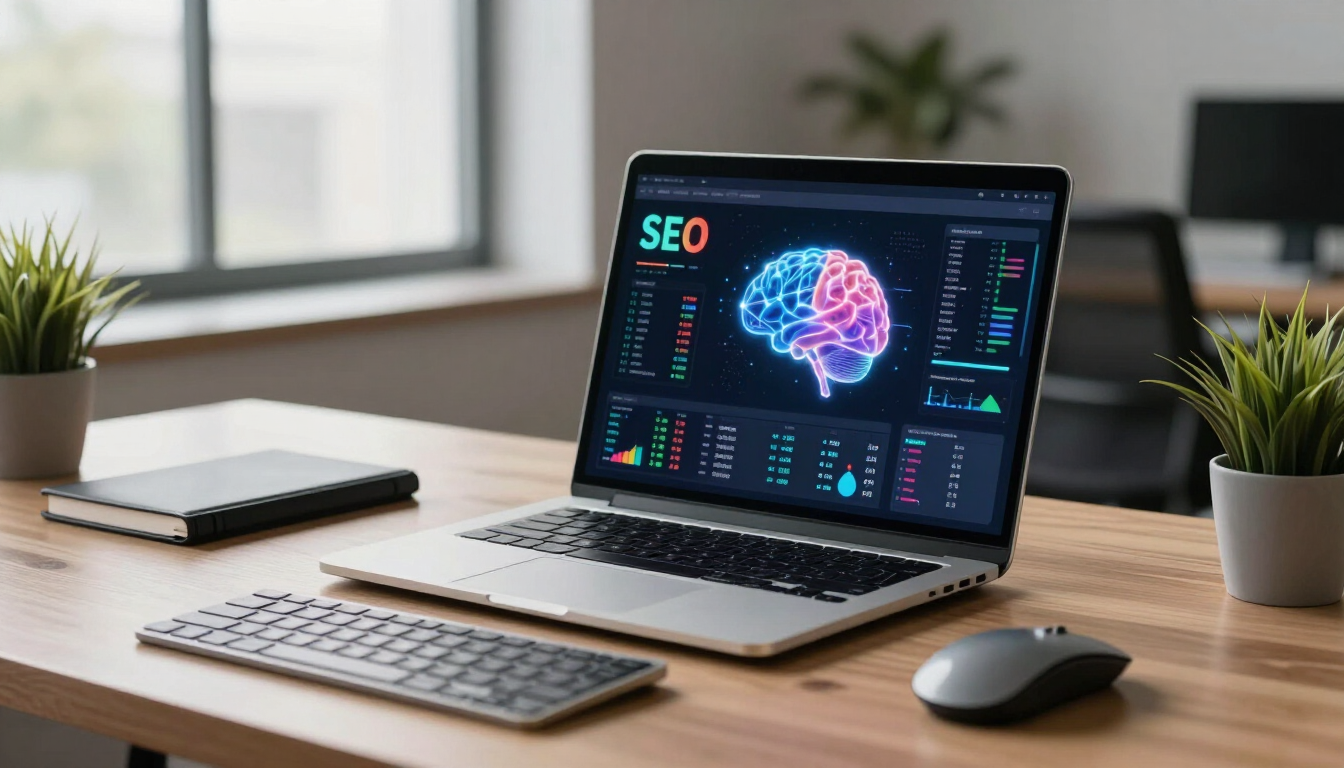
A glowing digital graph showing a website ranking reaching the number one spot on search results.
8 August 2026
Learn how to use ChatGPT to rank #1 on Google without triggering penalties. Discover the secrets of E-E-A-T and AI content strategy for SMEs in 2026.
27 July 2026
How Often Does a Website Need to Be Updated? For many businesses and founders, the question “how often should I update my site?” comes up regularly. The short answer: it depends on your goals, audience, and the type of content you publish. In general, regular updating websites are more trustworthy, perform better in search rankings, and deliver a fresher experience to visitors. This post explores factors that influence update frequency and practical strategies to keep a website lively and effective. Why updating websites matters Regular updates serve several key purposes: Search engine optimization (SEO): Search engines favor fresh content and updated information. User trust and engagement: Visitors expect current details, accurate product information, and timely announcements. Security and reliability: Updating plugins, themes, and core software reduces vulnerability. Brand relevance: Periodic updates reflect a living, active brand. Understanding these benefits helps tailor an update schedule to your needs. Factors that influence update frequency Content type and goals News sites and blogs often publish daily or multiple times per week. E-commerce sites benefit from frequent product and price updates, promotions, and seasonal landing pages. Corporate sites may update case studies, press releases, and services pages as new information becomes available. Portfolios and personal sites can balance quality over quantity, with updates tied to new work or testimonials. Audience expectations If your audience relies on you for timely information, more frequent updates are prudent. If you serve a niche with long-form evergreen content, less frequent changes may be appropriate. Technical considerations and maintenance Regular maintenance, security patches, plugin updates, backups, should be scheduled regardless of content updates. Neglecting these can harm performance and safety, no matter how often you post. SEO strategy Plan updates around keyword opportunities, seasonal trends, and content gaps. Fresh content plus on-page optimization can boost visibility over time. Practical update cadences There’s no one-size-fits-all answer, but here are common patterns you can adapt: Daily or near-daily updates: News portals, large media sites, or heavily social-driven platforms. Several times per week: Active blogs, content publications, or project-based sites with frequent iterations. Weekly updates: Routine blog posts, portfolio additions, or company news that doesn’t require real-time accuracy. Biweekly to monthly: Mostly static sites with occasional announcements or new resources. Quarterly or semi-annual: Static sites that focus on evergreen services, with updates tied to product launches or major milestones. Remember: consistency matters more than hitting a specific number. Decide on a realistic cadence you can sustain. Balancing quality with frequency Updating too often without substance can dilute value. It’s better to publish fewer high-quality pieces than frequent low-quality updates. Here are tips to maintain quality: Plan editorial calendars to map out topics, formats, and publishing dates. Batch-create content to ensure consistency and reduce last-minute rush. Use content formats that scale, such as short posts, resource pages, or updates to existing pages with new data. Regularly audit existing content for accuracy and relevance. Technical hygiene and proactive updates Security: Apply updates to CMS, plugins, themes, and server software promptly. Backups: Schedule regular backups before major updates. Performance: Monitor page speed after changes; optimize media and scripts. Accessibility: Revisit accessibility standards as you update content. Handling updates for different sections Home page: Keep it fresh with limited, high-impact changes, new promotions, featured works, or updated testimonials. Products and services: Update pricing, features, stock, and shipping information as needed. Blog and resources: Keep a publishing rhythm aligned with your audience; refresh older posts with updated data if needed. About and team pages: Reflect new hires, leadership changes, or shifts in services over time. Measuring the impact of updates Track engagement metrics: page views, bounce rate, average time on page, and conversions. Use SEO tools to monitor keyword rankings and organic traffic shifts after updates. A/B testing can help you compare different update approaches and find what resonates with your audience. Common pitfalls to avoid Inconsistent cadence: Irregular updates can confuse visitors and search engines. Outdated information: Don’t let old data linger; set review dates for pages with time-sensitive content. Over-optimisation: Constant keyword stuffing or excessive updates can harm readability and SEO. Final thoughts Updating websites is not just about keeping content fresh; it’s about maintaining accuracy, security, and alignment with your audience’s needs. Establish a sustainable cadence for content updates, perform regular site maintenance, and monitor impact to refine your approach over time. By treating updating websites as an ongoing practice rather than a one-off task, you’ll improve trust, visibility, and user satisfaction.

AI technology visualization for website visibility
21 July 2026
Learn how to optimize your website for AI search engines like ChatGPT and Perplexity with Primora’s guide to AI Visibility for Singapore SMEs.
26 February 2026
What is Generative Engine Optimization?
25 February 2026
How Much Does SEO Cost in Singapore?
19 February 2026
If you are a service-based business then its for you!
5 February 2026
Google Business Optimization
22 January 2026
What is Google Business Profile and How Does It Work?
10 January 2026
What is the difference between PWA and native apps? In the crowded world of mobile software, two major approaches stand out: progressive web apps (PWA) and native apps. Understanding the differences between PWA and native apps helps product teams, developers, and even business stakeholders decide where to invest time and resources. This post breaks down what each option offers, where they excel, and how to choose the right path for a given project, while weaving in the supplied keyword: pwa and native app.
Show More